July 6, 2026
Your garage often serves as the primary entry point for your home. It needs to work perfectly every time you push the remote button. Over time, daily wear takes a toll on the heavy materials and moving parts. Many homeowners wait until something breaks completely before seeking help. However, proactive evaluations prevent major failures and keep your family safe. A well-maintained system maintains your property value.
When you schedule a professional garage door service, you get much more than a quick look at the surface. Technicians follow a structured process to evaluate every component. They look for hidden stress fractures, alignment issues, and motor strain that you might miss. Knowing what happens during this comprehensive evaluation helps you understand the value of preventive maintenance.
Inspecting the Springs and Cables for Safe Tension
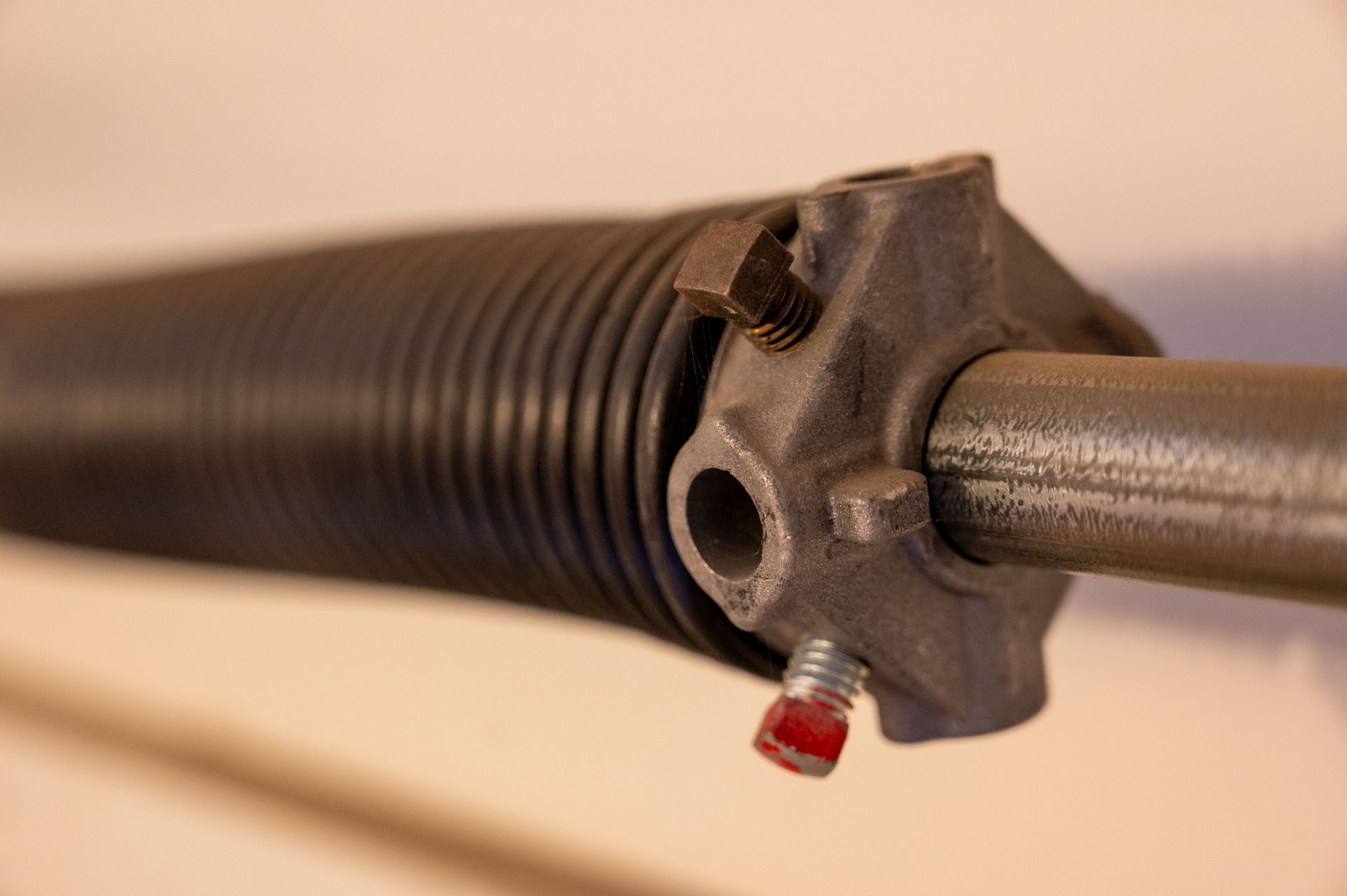
The springs and cables do the heavy lifting. In our experience, a standard residential panel weighs well over 100 pounds, and solid wood models weigh even more. The springs counterbalance this weight so the motor can lift the panel easily. A technician starts by looking at the metal coils for rust, separation, or signs of metal fatigue. They check both torsion springs above the frame and extension springs running along the sides.
If a spring snaps, the entire system stops working immediately. This sudden failure poses a severe safety hazard to anyone nearby. During an evaluation, the technician also inspects the lifting cables alongside the springs. These braided steel cables wrap around grooved drums and bear immense tension. The cables and springs work together seamlessly to support the weight of the structure.
Technicians check these cables for fraying, crimping, or corrosion. Even a single broken wire strand means the cable requires replacement. Replacing these parts proactively keeps the system safe. Experts handle this high-tension hardware carefully because a snapping cable causes serious property damage or injury. They know how to secure the door before beginning any adjustments.
Homeowners shouldn't adjust these tension-loaded elements themselves. Professional technicians have the tools and training to safely release the tension. They measure the wire gauge and coil diameter to match replacement parts perfectly. This precise measurement prevents premature wear on the new components and ensures long-lasting performance.
Examining the Tracks and Rollers for Smooth Movement
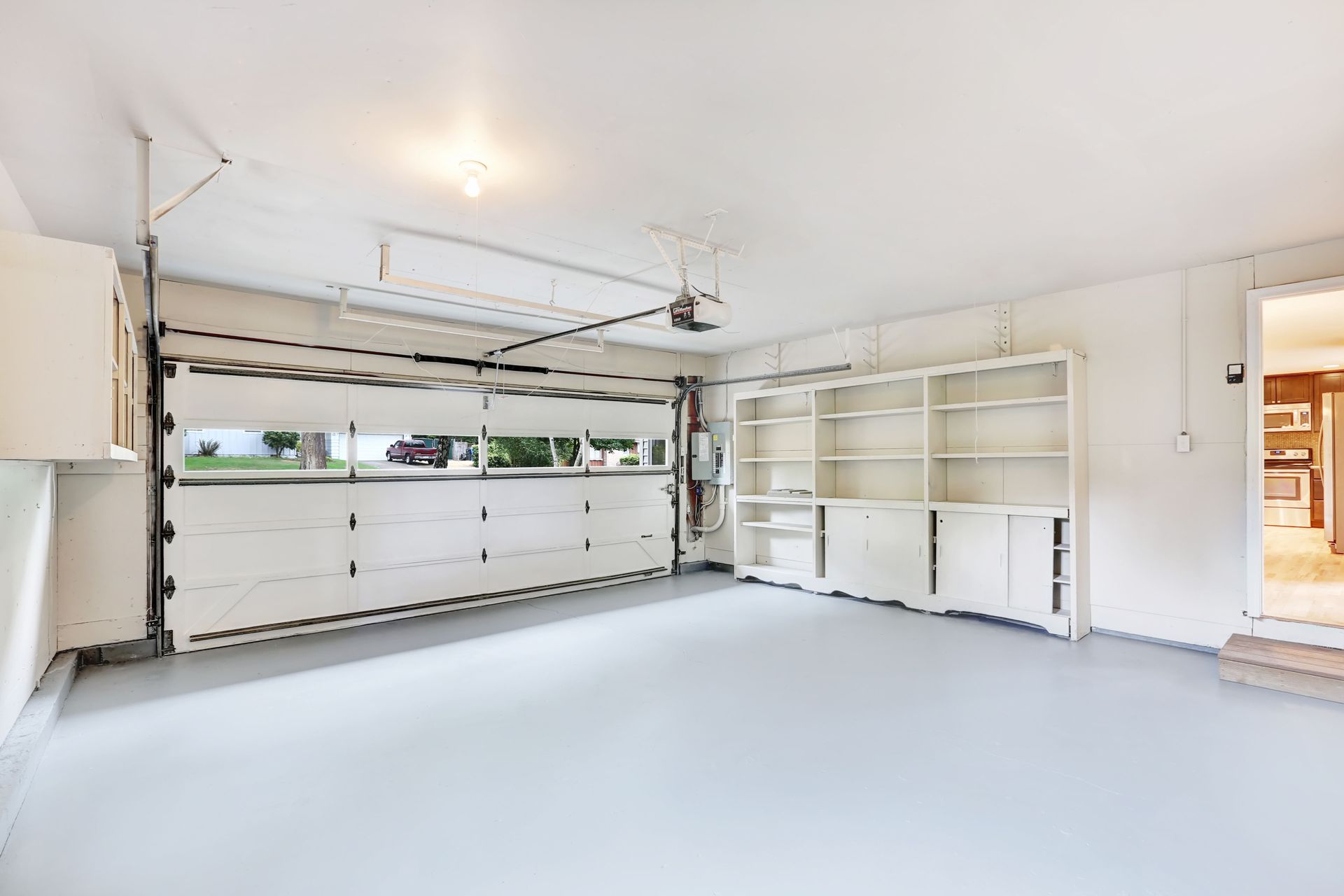
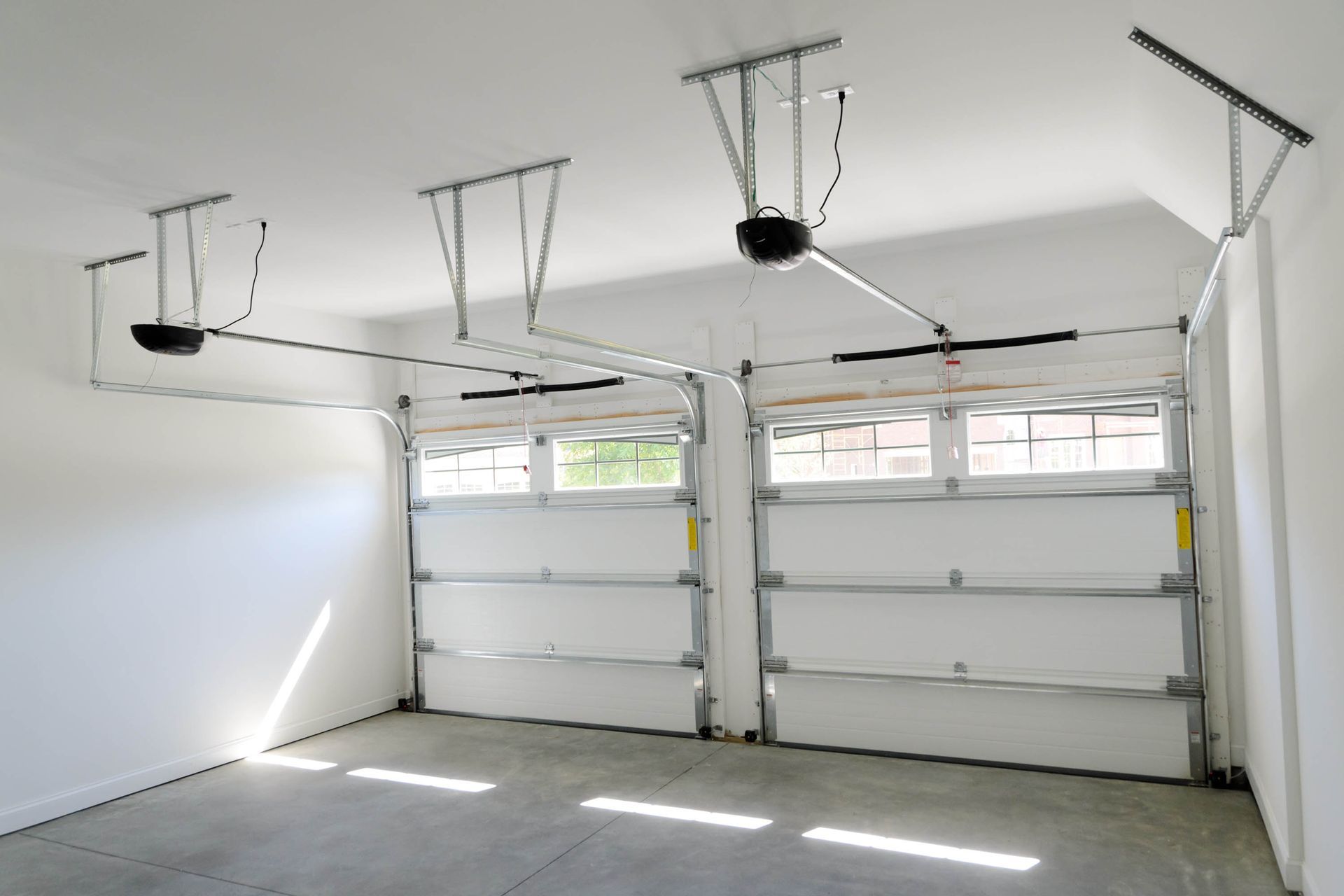
Once the lifting hardware is cleared, the professional turns their attention to the tracks and rollers. These components guide the heavy panels up and down the frame. If the tracks fall out of alignment, the rollers experience uneven friction. This friction leads to grinding noises and jerky movements during operation. A smooth glide indicates a healthy track system.
A technician checks the metal tracks for dents, bends, or debris build-up. Even small obstructions force the automated motor to work harder than necessary. They use a level to ensure the vertical and horizontal tracks remain parallel. Any slight deviation from a plumb line requires adjustment to prevent problems. They also check the mounting brackets to ensure they stay attached to the wall.
The rollers themselves require close inspection. Standard steel rollers often lose their ball bearings after five to seven years of daily use. Nylon rollers offer quieter operation but still degrade over time. A comprehensive garage door service involves checking each roller stem for wobbling or deterioration.
Proper lubrication plays a vital role in this phase of the evaluation. Professionals apply lithium or silicone sprays to the moving joints. They avoid heavy grease that attracts dirt and creates a sludge. Proper lubrication extends the lifespan of the rollers and keeps the door moving quietly along the tracks. It also protects the metal parts from rusting during damp weather.
Testing the Opener System for Reliable Functionality
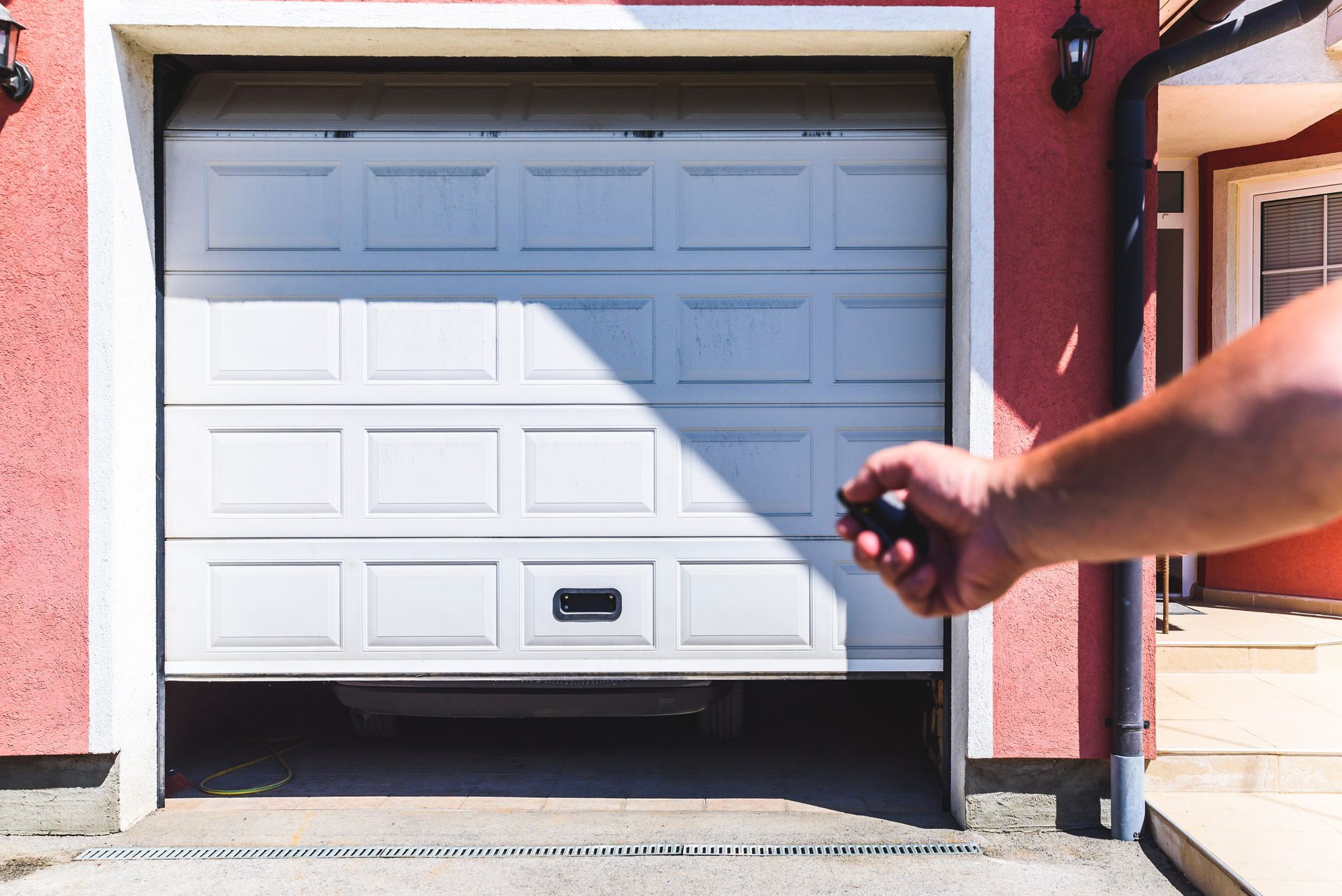
The automated opener acts as the brain of the entire setup. Technicians evaluate the motor unit, the chain or belt drive mechanism, and the safety sensors. They listen to the motor while it runs to detect any unusual humming or grinding. Unusual sounds often indicate worn internal gears or a failing capacitor. They also check the backup battery if your unit includes one.
According to Business Research Insights, nearly two-thirds of residential properties are adding automated garage systems for boosted security and convenience. With so many automated systems in use, regular garage door service remains vital to keep these motors functioning. Technicians verify that the security codes, wall switches, and remote frequencies operate without any interference. They ensure the antenna receives a strong signal from your remote.
Safety features receive rigorous testing during this evaluation. The technician tests the photoelectric sensors located near the floor. They block the beam while the door closes to ensure the motor reverses direction immediately. These sensors prevent the heavy panels from crushing objects, pets, or people in their path. A simple bump can knock these sensors out of alignment.
The mechanical reversal system also undergoes a pressure test. The professional places a piece of wood on the ground and closes the door. When the panel hits the wood, it should reverse upward within two seconds. If the door fails either safety test, the technician calibrates the sensitivity limits on the opener unit. This guarantees the motor reacts appropriately to resistance.
Checking the Overall Door Balance for Optimal Alignment
A balanced door requires minimal effort to open or close. Technicians performing a garage door service disconnect the automatic opener to test the balance manually. They lift the door halfway and let go. A properly balanced system stays in place without falling down or shooting upward. This manual test reveals how much weight the motor handles during normal operation.
If the door feels heavy or slams shut, the springs lack sufficient tension. If it rises on its own, the tension is too high. An unbalanced door forces the motor to pull dead weight every day. This extra strain burns out the motor prematurely and strips the internal gears. Achieving proper balance protects the life of the opener.
During an alignment check, verifying the balance ensures all previous adjustments work together harmoniously. The technician evaluates the hinges holding the panels together. Loose hinges cause the door to sag in the middle, throwing off the balance. They'll tighten every nut and bolt along the framework.
Weatherstripping and bottom seals also factor into the alignment check. The professional inspects the rubber strips for cracks. Proper seals keep out moisture, insects, and drafts. When the door sits flush against the ground, it indicates correct alignment and provides energy efficiency for the home. Good seals also cushion the impact when the door finishes closing.
Regular evaluations keep your system running smoothly and safely for years. A visual inspection alone misses internal wear and tension issues. Relying on trained professionals guarantees that every mechanical and electronic part receives proper attention. Catching minor problems early prevents expensive emergency repairs down the road. It also prevents breakdowns when you're rushing to leave the house.
Scheduling a yearly garage door service gives you peace of mind. You'll know your primary entry point operates as intended through changing seasons. From high-tension springs to the automatic opener, every component relies on the others to function. Prioritizing these comprehensive evaluations protects your investment and ensures daily convenience for your entire household.
Don't wait for a breakdown. Call our experienced team at Thor Garage Doors today to schedule your next garage door service.