November 6, 2026
Homeowners often take their overhead entryway systems for granted until a catastrophic mechanical failure occurs. The tensioned metal components bear immense weight and endure significant physical stress during daily operation. Recognizing early indicators of metal fatigue can prevent dangerous accidents and costly damage to your property. Paying attention to these subtle changes remains crucial for maintaining household safety and functionality.
When these vital components begin failing, ignoring the symptoms will lead to total system breakdown. Addressing minor issues through professional garage door repair saves homeowners from unexpected daily inconveniences. According to This Old House, a single motorized opener can lift a 20-foot-wide sectional door weighing up to 1,000 pounds. However, that motor relies on intact tension coils to balance such massive weight.
Understanding High-Tension Mechanisms
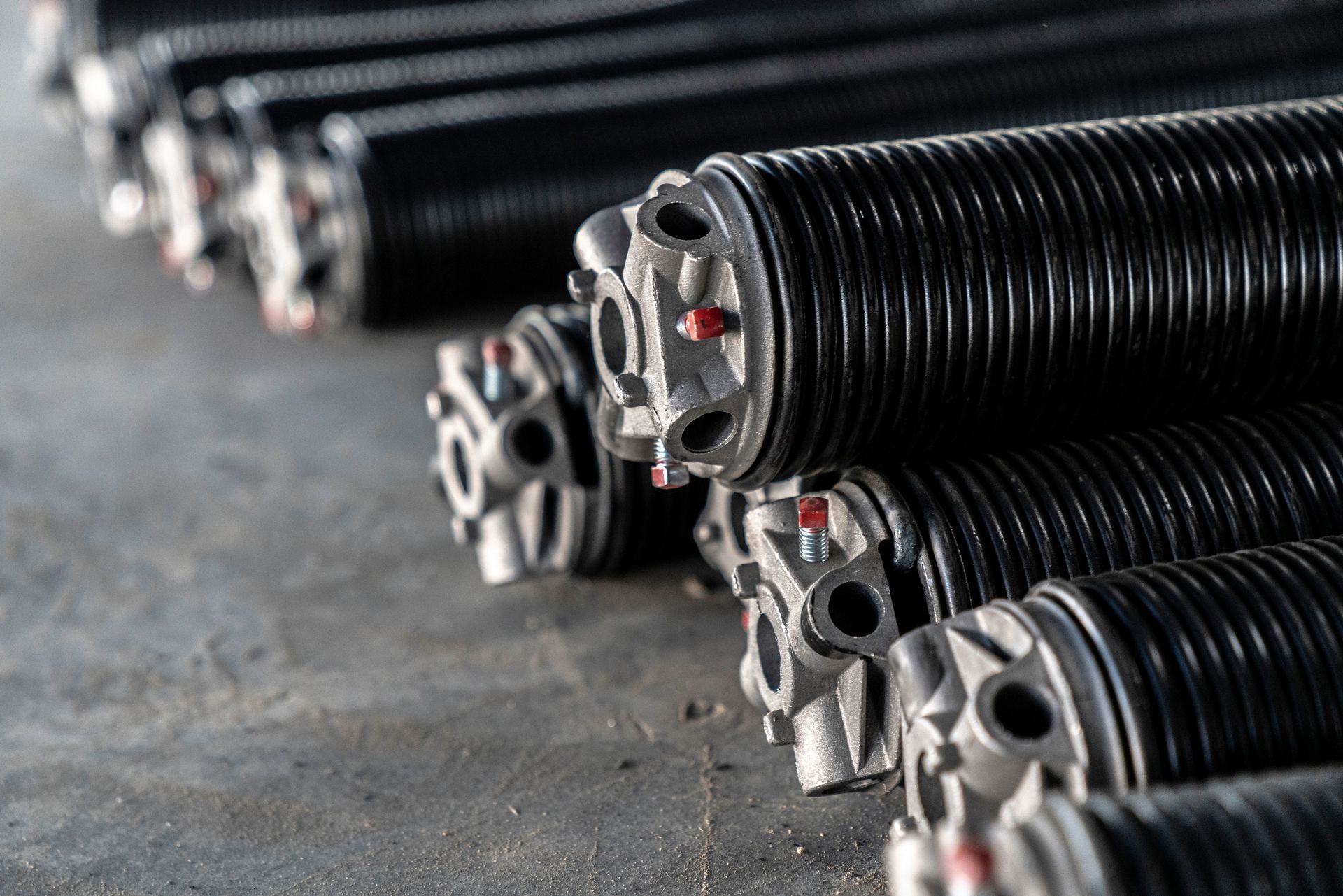
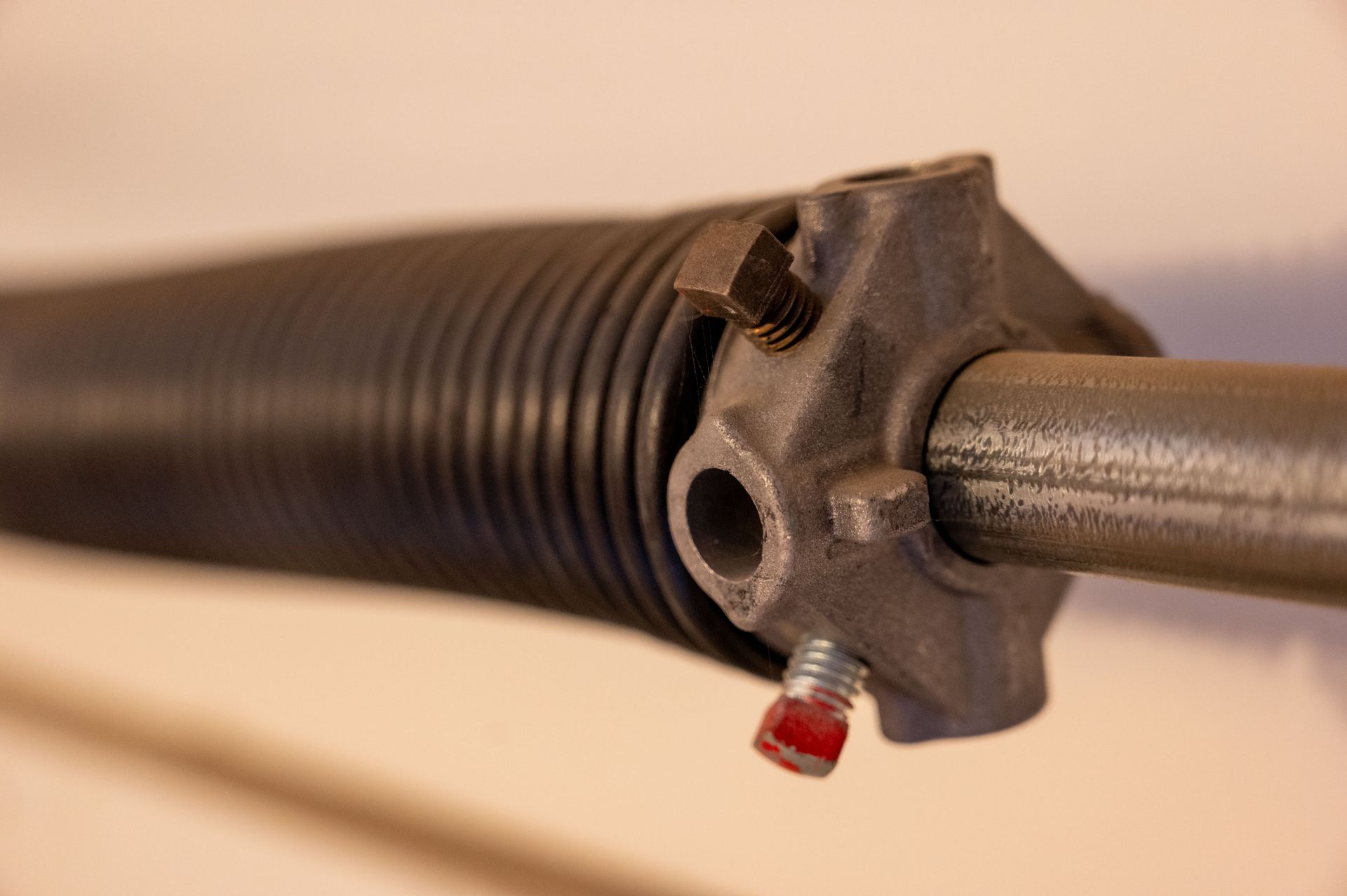
These tightly wound coils serve as the true muscle behind your automated overhead entryway system. They store mechanical energy that counterbalances the extreme heaviness of the solid structural panels. Without their lifting assistance, the motor would strip its gears trying to hoist heavy panels alone. This delicate balance of power requires parts functioning in perfect harmony to ensure smooth daily operation.
Because these parts endure constant stretching and compressing, material fatigue becomes an inevitable outcome over time. Routine wear degrades the steel integrity until the coil reaches its ultimate breaking point. Scheduling timely garage door repair before a complete fracture happens is the smartest approach for property owners. Waiting for a loud bang in the garage usually means the damage has already escalated beyond simple fixes.
Visual Gaps in the Coils
Inspecting the metal components by sight offers a direct method for spotting impending mechanical failure. A healthy tension coil rests tightly wound without visible spacing between the individual metal rings. When metal fatigue sets in, the material stretches permanently and fails to contract fully to its original shape. You will notice distinct empty spaces interrupting the continuous spiral pattern of the solid steel.
Spotting these separations means the component has lost structural integrity and could break without warning. The presence of such gaps indicates that the steel is nearing the end of its useful lifespan. Seeking expert garage door repair upon noticing this separation is strongly recommended for safety. Ignoring stretched coils guarantees an explosive snap during a future opening or closing cycle.
Unusual Noises During Operation
An automated entryway should glide along its tracks with a smooth and consistent hum. When the tension components begin failing, they vocalize their struggle through alarming mechanical sounds. Groaning, creaking, or popping noises point directly to metal struggling against extreme physical stress. These auditory clues serve as a distinct cry for help from your overhead operating system.
Sounds resembling heavy strain mean the coils are binding or catching as they stretch. A sudden loud bang from the garage suggests a total fracture has already occurred. Scheduling immediate garage door repair when these unsettling noises start can prevent further mechanical destruction. Trusting your ears provides the earliest warning before visual symptoms become blatantly obvious.
Uneven or Crooked Movement
Overhead entryways utilize independent lifting mechanisms on each side to maintain perfect horizontal alignment during operation. When a coil on either side begins weakening prematurely, the lifting force becomes drastically unbalanced. This power disparity causes the panels to pull upward unevenly, creating a slanted appearance while moving. The entire structure might appear to drag or stick on the weaker side during the lifting process.
Operating a misaligned system places destructive stress on the tracks, rollers, and main motor carriage. The panels may wedge themselves tightly within the vertical tracks, jamming the mechanism. Contacting our team for professional garage door repair will restore proper balance and alignment safely. Fixing this imbalance early preserves the remaining hardware and extends the overall system lifespan.
Sudden Loss of Tension
The entire operating mechanism relies on precise physical tension to make heavy panels feel weightless. When you disconnect the automatic motor, the panels should stay perfectly suspended wherever you release them mid-air. If the structure forcefully plummets toward the concrete floor, the counterbalancing force has failed. This rapid descent proves the lifting coils lack the strength required for safe daily operation.
A heavy plummeting barrier presents an extreme physical danger to pets, vehicles, and family members. Attempting to catch or stop a falling panel manually can result in severe physical injury. You must arrange for emergency garage door repair to address this loss of critical tension. Only trained technicians possess the specialized tools required to recalibrate these dangerous high-tension systems safely.
Slow or Struggling Movement
Modern automated openers are designed to raise and lower the panels at a steady, predictable pace. If the motor sounds like it is agonizingly fighting to lift the panels, trouble is brewing. This sluggish performance means the lifting coils are no longer providing adequate counterbalancing assistance. The motorized unit is forced to pull the dead weight of the panels without mechanical assistance.
Prolonged strain will burn out the electrical motor and strip the internal plastic drive gears. Replacing an overexerted motor adds unnecessary expense to an already critical household maintenance situation. Securing prompt garage door repair relieves this mechanical burden before the electronic components suffer permanent damage. Restoring coil strength allows the motor to resume its intended role as a gentle guiding force.
Loose or Slacking Cables
The tension coils work in tandem with heavy-duty steel cables to hoist the massive entryway upward. When a coil snaps or loses significant tension, the attached cables instantly lose their necessary tautness. You might observe these wire ropes hanging slack, drooping loosely, or uncoiling from their drums. Slack cables are a glaring symptom of a catastrophic failure within the primary lifting mechanism.
Tangled or loose wire ropes can whip around and cause severe lacerations to people nearby. Reeling these cables back onto their drums requires restoring tension to the main central coils simultaneously. Because these parts are volatile, homeowners should never attempt to manipulate loose cables themselves. Contacting experienced professionals ensures the lifting assembly is repaired without risking terrible personal injury.
The Heavy Lifting Phenomenon
Under normal circumstances, lifting your entryway manually should require minimal physical exertion from an adult. The counterbalancing system is specifically calibrated to offset the massive bulk of the solid structural panels. If lifting the structure manually feels like pulling a concrete boulder, the coils have failed. This incredible heaviness confirms the mechanical advantage has vanished from the system.
Continuing to use the automatic opener under these conditions guarantees a complete equipment meltdown. The system was never designed to hoist dead weight without mechanical assistance from the steel coils. Relying on professional garage door repair restores the weightless feel and protects your valuable home investment. Technicians will install fresh components calibrated precisely for the specific mass of your panels.
Rust and Corrosion Accumulation
Metallic components living in unconditioned spaces face constant battles against humidity and environmental moisture. Rust formation acts like a slow-moving disease that aggressively eats away at the steel structural integrity. As oxidation penetrates deeper into the metal rings, the material becomes brittle and prone to snapping. Even small patches of rust increase the friction between moving parts during daily operation.
Coating the coils with specialized lubricants can slow down surface rust, but deep corrosion is irreversible. When the steel begins flaking or turning bright orange, the risk of a sudden snap skyrockets. Addressing heavy oxidation requires complete component replacement by skilled professional technicians. Maintaining a clean, lubricated system moving forward will improve the lifespan of the newly installed parts.
The Danger of Snapped Springs
When a tensioned coil fractures, it releases an explosive amount of kinetic energy without warning. The resulting sound resembles a gunshot, and the flying metal fragments act like dangerous flying shrapnel. Individuals standing near the mechanism during a catastrophic failure risk suffering severe, life-altering physical injuries. The falling panels can crush property, dent vehicles, or trap individuals beneath their massive bulk.
Attempting to bypass a broken system using emergency release cords is hazardous for untrained individuals. Removing the motor hold on an unsupported panel will send it crashing down with terrifying velocity. Our team urges all property owners to maintain a safe distance from compromised lifting mechanisms. Relying on professional intervention is the logical way to handle these dangerous mechanical emergencies.
Protect your family and property by letting seasoned professionals handle all your complex mechanical needs. Contact Thor Garage Doors today to learn more.